 Auckland Hub
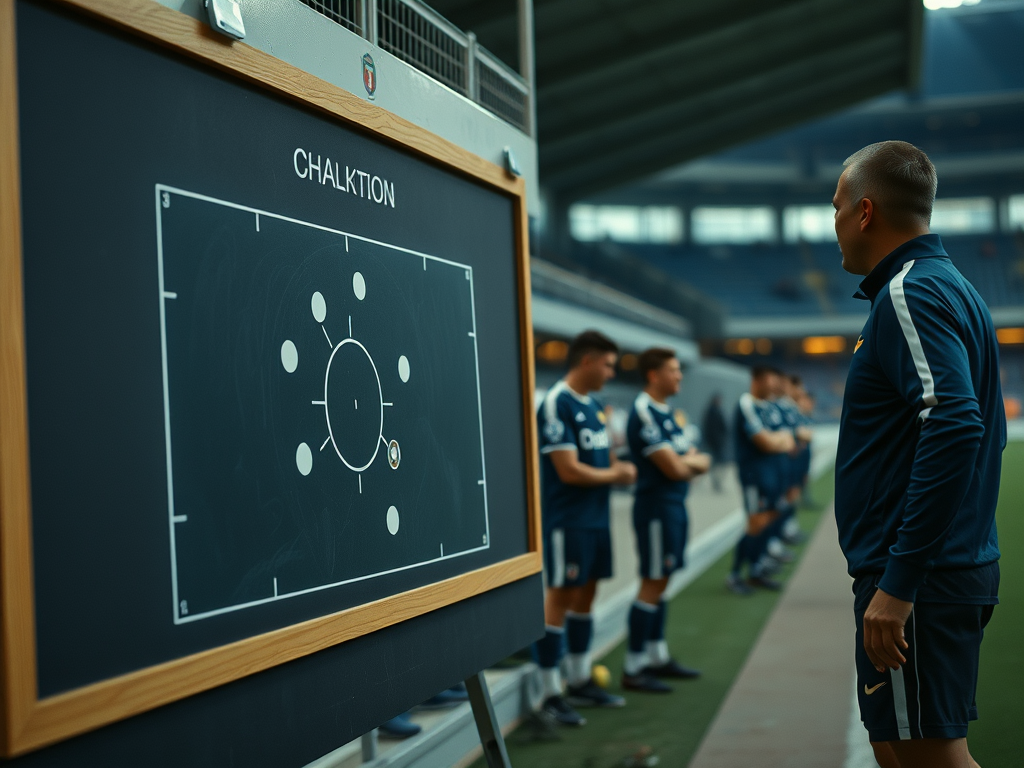
Unpacking The Navy Blues: Tactical Adjustments for Defensive Solidity
As Auckland FC continues to navigate the challenges of the League, recent performances have highlighted a pressing need for tactical refinement, particularly in their defensive framework. The Navy Blues, despite showing glimpses of attacking prowess, have struggled to maintain consistency at the back, often conceding easy goals that have undermined their efforts. To improve their recent form, a focused analysis of their defensive tactics is essential.
Current Defensive Setup
Auckland's current defensive strategy relies heavily on a high press and a four-man backline, which has generally served them well. However, this approach has exposed them to counter-attacks, especially against teams that are quick to transition from defence to attack. The full-backs, while dynamic going forward, have at times been caught out of position, leaving significant gaps for opposing attackers to exploit. For example, in matches where opponents have deployed fast wingers, Auckland's defenders have struggled to track runs and close down space effectively.
Suggested Tactical Adjustments
1. Revisiting the Defensive Line
One immediate adjustment would be to drop the defensive line slightly deeper, particularly against teams known for their pace on the flanks. By allowing the defensive line to sit back, Auckland can maintain a compact shape that limits the space between their backline and midfield. This would also give the centre-backs additional time to react to through balls and counter-attacks.
2. Midfield Support
Additionally, enhancing the role of the midfielders in defensive duties could alleviate some pressure from the backline. By employing a more disciplined approach from the midfield trio, The Navy Blues can ensure that they maintain numerical superiority in central areas, preventing opposing teams from easily exploiting the gaps left by advancing full-backs. This can be achieved through tactical instructions that encourage midfielders to drop back and assist in defensive transitions.
3. Communication and Coordination
Improving communication among the defenders is crucial. A cohesive backline requires effective communication to ensure that players are aware of their responsibilities and can cover for one another. Regular drills focusing on defensive organization and positioning can help foster this understanding, enabling defenders to work as a unit rather than individuals.
Leveraging Set-Piece Opportunities
On the offensive end, capitalizing on set-pieces can also serve to bolster Auckland's defensive solidity. By using set-pieces not only as an attacking opportunity but also as a means to regroup defensively, The Navy Blues can shift their focus to maintaining control of possession after regaining the ball. Converting set-pieces into goals would not only boost morale but also lessen the pressure on the backline by providing a buffer in matches.
Conclusion
In summary, while Auckland FC has shown potential in their attacking play, their defensive vulnerabilities have been a consistent theme in their recent performances. By implementing these tactical adjustments—deepening the defensive line, enhancing midfield support, and improving communication—the Navy Blues could achieve a more solid defensive structure. As they prepare for the upcoming fixtures, focusing on these areas will be crucial in their bid to climb the league table and reclaim their spot among the top contenders.